
The Biggest Factors Affecting Barndominium Costs
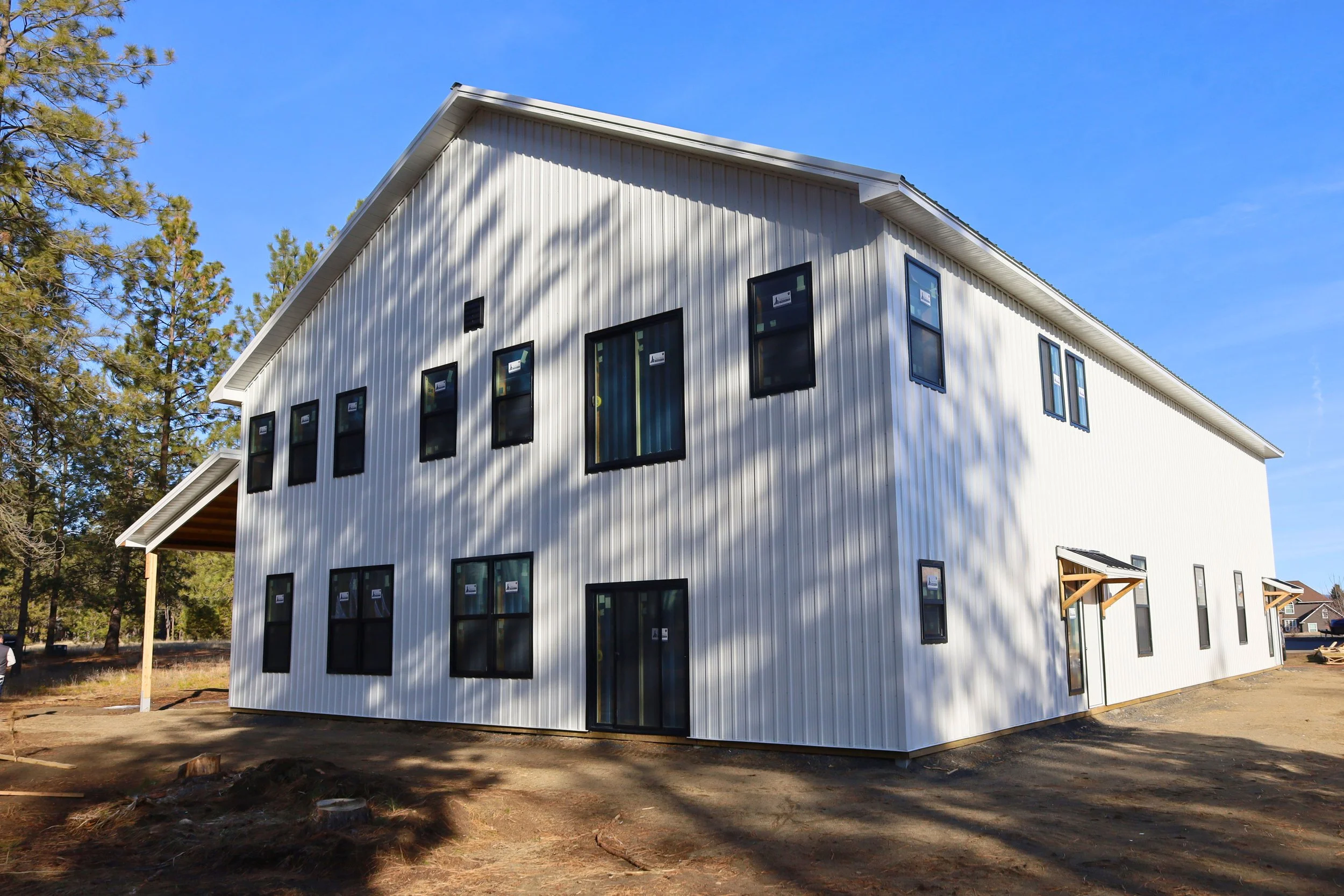
Why Design, Engineering, Material Choices, and Contractor Selection Determine the True Cost of a Modern Post-Frame Home
Barndominiums offer an incredible combination of open space, structural efficiency, design freedom, and long-term durability. But while they often cost less than conventional homes from a structural standpoint, barndominiums can only achieve those savings when the design, foundation, materials, and contractor are chosen correctly.
This article explains the true cost drivers behind building a barndominium, the most common budget traps, and the practical ways to control cost without sacrificing quality.
1. Design & Foundation — The Single Most Important Cost Factors
A barndominium’s cost begins with its design and its foundation system. These two components determine how efficient the build will be — and how expensive mistakes will become.
Barndominiums Must Be Properly Engineered
Every barndominium requires:
Local code compliance
Structural engineering
Proper load calculations
Region-specific wind, snow, and seismic design
Most barndominium plans found online are not engineered, and nearly all require reworking by a licensed local engineer. That means:
Re-drawing
Re-stamping
Additional cost
Lost time
Delays in permitting
Avoid Online Generic Plans
They routinely fail local requirements for:
Snow load
Wind speed
Roof systems
Truss spacing
Wall framing
Foundation type
Starting with non-engineered plans is the fastest way to lose money before construction even begins.
2. Local Contractor & Local Designer — A Critical Decision
Building a barndominium requires local expertise.
Using out-of-area plans or an out-of-area builder typically leads to:
Plans that don’t meet code
Redrawing and re-engineering
Additional structural stamps
Changes in materials
Cost overruns
Failed inspections
The most cost-effective path is simple:
Hire a local designer and a local contractor who understand your building department and local construction practices.
3. Material Choices — Where You Save and Where You Won’t
Barndominiums save money on:
Foundation
Framing
Roofing
Siding
Insulation
However, interior systems cost the same as — or more than — conventional construction.
Interior Systems That Drive Cost
HVAC
Electrical
Plumbing
Drywall
Flooring
Cabinets
Interior doors
Trim packages
Most of your final cost is driven by how you choose to finish the inside — not the building shell.
4. The Hidden Cost: Inexperienced Contractors
Hiring the wrong contractor is one of the single most expensive mistakes you can make.
Problems Caused by the Wrong Builder
Poor workmanship
Bad framing practices
Costly change orders
Delays
Failed inspections
Code violations
Incorrect materials (including illegal CCA wood)
A barndominium is too large and too complex to trust to someone without proven experience in post-frame residential construction.
5. The Biggest Budgeting Mistake — Believing Online Cost Estimates
Online cost calculators often list ranges such as $65–$160 per sq ft. These numbers are not realistic in today’s market and ignore:
Local engineering
Local building codes
Material prices
Labor markets
Excavation requirements
Finish levels
Window/door selections
Insulation standards
Design complexity
Realistic Market Costs
Across the country, the true cost of finishing a barndominium is typically:
$175 per sq ft in lower-cost regions
$225–$250 per sq ft in higher-cost regions
Occasionally higher with premium material selections
Online estimates are not connected to local reality — and they are one of the biggest reasons homeowners blow their budgets.
6. Smart Ways to Save Money Without Sacrificing Quality
You can significantly reduce barndominium costs by making smart structural choices.
Key Savings Strategies
Choose the right designer, engineer, and builder.
Select a property that doesn’t require heavy excavation or leveling.
Use engineered post-frame foundations instead of steel framing.
Choose steel siding and roofing for durability and low maintenance.
Use insulation strategies that improve efficiency without adding unnecessary framing cost.
Choose concrete floors, which look great and save money over finished flooring.
Focus on energy efficiency — insulation improvements pay for themselves.
Be strategic with finishes — kitchens and bathrooms can consume huge chunks of budget.
7. The Most Expensive Parts of a Barndominium Build
1. Site Prep
Land that requires heavy cut-and-fill operations or extensive leveling drives costs significantly higher.
2. Kitchen & Master Bathroom
These rooms contain:
Plumbing
Electrical
High-end fixtures
Cabinets
Countertops
Tile
Appliances
They often exceed every other interior area in cost — except occasionally the great room.
8. Sticking to Your Budget
Start With Clear Plans and a Defined Scope
Contractors cannot bid accurately if the design is vague. You’ll get change orders, rework, and unexpected cost increases.
Track Costs Throughout Construction
Ask your contractor:
Where can I save?
What changes keep me within budget?
What upgrades should I skip now and add later?
Barndominiums provide savings, but only with strong project management.
9. Best States for Building a Barndominium
Lower-Cost Regions
States with lighter regulation and lower labor/material costs include:
Montana
Idaho
Utah
These areas often see completed barndominiums in the $195 per sq ft range.
Higher-Cost Regions
States with heavier regulation and higher labor/material costs include:
Washington
Oregon
These states are typically 15–25% more expensive than lower-regulation areas.
Conclusion
Barndominium costs vary widely based on design, engineering, materials, foundation system, local labor markets, and the skill level of your contractor. While barndominiums can be cost-efficient, they are not “cheap houses,” and online estimates are almost never accurate.
Customers who succeed financially are those who:
Start with a local designer
Use a proper engineered foundation
Choose post-frame instead of steel framing
Manage finishes carefully
Track their budget throughout the build
Hire the right builder
By understanding these factors up front, homeowners can set realistic expectations and build a barndominium that provides exceptional long-term value.