
CCA Treated Wood in Post-Frame Construction
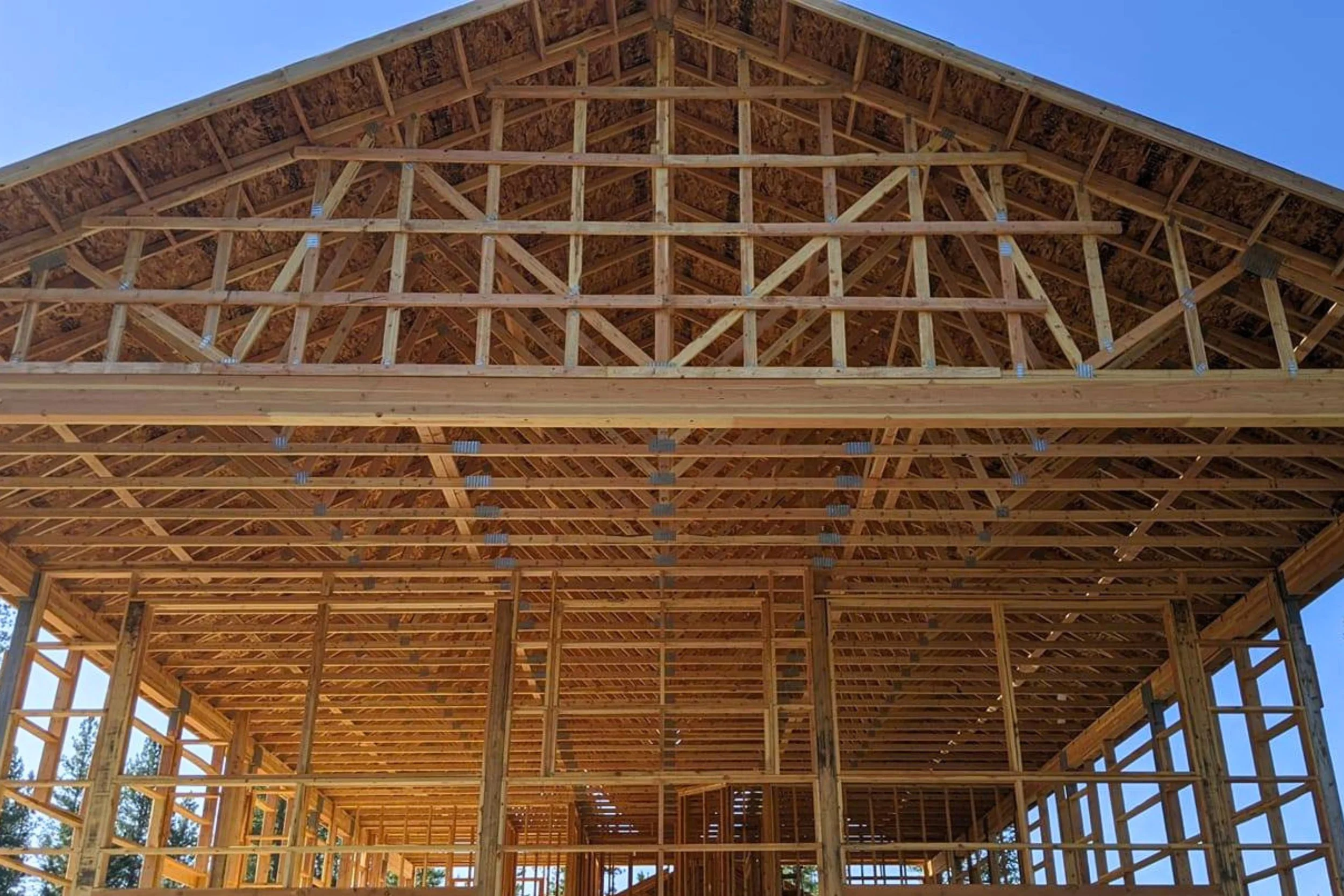
Why Modern Research, Code Clarification, and Decades of Field Failures Prove That Buried Wood Posts Are Not a Permanent Structural System
For decades, post-frame buildings were constructed using treated wood posts buried directly into the ground. These posts were typically treated with CCA (Chromated Copper Arsenate) or similar preservatives designed to slow decay. While this method was once standard practice, modern engineering, building science, and regulatory changes have exposed the limitations and risks of relying on treated wood for structural foundations.
Today, with improved understanding of soil chemistry, moisture exposure, chemical leaching, and long-term degradation, there is clear evidence: treated wood embedded in soil is not a permanent foundation system. This article explains the history, chemistry, regulations, liabilities, and structural dangers associated with CCA-treated wood — and why modern engineered building systems are moving away from buried wood altogether.
The Purpose of CCA Treated Wood — And Its Limitations
CCA-treated wood was originally designed to slow decay caused by fungus, insects, and soil organisms. It works by infusing wood with:
Chromium — fixes the preservative into the wood cells
Copper — primary fungicide
Arsenic — insecticide and rot inhibitor
The goal was to allow wood to resist rot long enough for in-ground applications like fence posts, utility poles, and agricultural structures.
However, the industry has long known that CCA does not make wood immune to rot. Even properly treated lumber:
Absorbs moisture
Dries unevenly
Expands and contracts
Cracks, checks, and splits
Leaches chemicals over time
Loses retention strength as soil chemistry breaks down the preservative
CCA delays decay — it does not prevent it.
Why CCA Was Banned for Residential Use (2003 EPA Restrictions)
In 2003, the U.S. Environmental Protection Agency (EPA) restricted the use of CCA-treated wood for most residential applications. This change was driven by concerns about:
Arsenic exposure
Soil and groundwater contamination
Long-term environmental toxicity
Disposal hazards
While CCA is still permitted for agricultural and commercial uses, the EPA’s decision reinforced an important truth: CCA-treated wood contains chemicals that leach into the soil and break down over time.
This has direct implications for post-frame buildings because buried posts remain in continual contact with moisture, oxygen, bacteria, and soil minerals — all of which accelerate degradation.
Soil Chemistry and Moisture — The Real Enemy of Buried Wood
Soils across North America vary widely in:
Acidity (pH)
Mineral content
Oxygen levels
Drainage
Microbial activity
These variables directly impact preservative performance. Even UC4B “ground contact” posts cannot overcome:
1. Constant Moisture Exposure
Wet/dry cycles pull preservative out of the wood and allow fungal organisms to colonize the cells.
2. Freeze–Thaw Cycles
Expansion and contraction create cracks, splits, and micro-fissures.
3. Soil Bacteria
Organisms feed on lignin and cellulose as soon as preservative breaks down.
4. Chemical Leaching
Arsenic and copper migrate into surrounding soil, reducing retention levels inside the wood.
5. Oxygen Availability
Fungal decay requires oxygen — exactly what soil provides in the upper few inches.
These mechanisms lead to the same outcome:
Ground-contact treated posts eventually rot. It’s only a matter of time.
Industry Documentation: Even Manufacturers Acknowledge Limitations
Organizations like the Western Wood Preservers Institute (WWPI) and preservative manufacturers openly state:
Treated wood will decay when exposed to long-term moisture.
Chemical retention levels are not permanent.
Soil conditions vary too widely to guarantee performance.
Monitoring and maintenance are required.
No preservative treatment can stop decay indefinitely.
The fact that preservative groups warn users to “inspect regularly for decay” is proof that buried wood is not a permanent foundation system.
Real-World Failure Data — Why Builders Stopped Burying Posts
Thousands of failure cases from the last 30 years confirm:
Pole barn posts rot at or just below grade
Agricultural buildings lean and shift
Doors and windows rack and bind
Trusses sag from settling posts
Structures become unsafe or unsalvageable
Even “newer” UC4B ground-contact treatments show:
Accelerated decay in wet climates
Premature failure in high groundwater areas
Weakening at the critical soil line
Massive variance based on soil pH
Treated wood does not fail uniformly — it fails unpredictably.
Liability and Code Compliance Issues
As building departments adopt stricter structural codes, buried wood faces increasing scrutiny:
ICC codes require permanent foundations for certain structures
Many municipalities require engineered load paths
Insurance carriers flag rotted posts as structural failure
Banks/lenders question buried-wood buildings for residential use
Liability grows when:
A building fails
The post decays
A customer experiences a structural loss
A repair requires jacking or foundation replacement
Builders across the country have moved away from buried posts because they cannot guarantee permanence — the customer owns the risk.
Chemical Leaching — Long-Term Environmental Concerns
As preservatives leach from the wood:
Soil becomes contaminated
Groundwater may be affected
Arsenic and copper reach unsafe levels
Replacement soils may be required when posts fail
Disposal becomes regulated
The EPA recognizes treated wood as a special waste category, requiring specific disposal methods at landfills.
A building method that creates hazardous waste at its end of life cannot be considered “permanent.”
CCA vs. Modern Engineered Foundations — A Shift in the Industry
Modern engineered systems, like the Permanent Post System (PPS), solve every weakness of treated wood:
1. No Ground Contact
Posts stay fully above grade — no moisture exposure.
2. No Soil Chemistry Impact
Steel brackets set in concrete are unaffected by pH or bacteria.
3. No Chemical Leaching
No toxic preservative breakdown.
4. No Rot or Decay
Structural performance remains consistent for decades.
5. Predictable Engineering
Moment connections tested at universities (e.g., WSU) provide verified load paths.
6. Lifetime Durability
PPS steel brackets are powder-coated and rated for long-term corrosion resistance.
Treated wood was the old standard.
Engineered foundations are the new one.
Why Buried Wood Is Now Considered a Temporary Foundation
When all evidence is considered:
Chemical treatments fade
Soil destroys wood over time
Moisture cannot be controlled
Rot is inevitable
Movement is guaranteed
Codes are tightening
Environmental rules are increasing
Liability grows for builders
The building may last —
but the foundation will not.
A foundation that depends on chemical preservatives is not a permanent foundation.
Conclusion: The Era of Buried Posts Is Over
CCA-treated wood served its purpose in earlier generations of pole barns — but modern engineering, customer expectations, scientific research, and regulatory frameworks have outgrown the practice.
Treated wood:
Weakens
Leaches
Rots
Moves
Fails unpredictably
Engineered foundation systems, like the Permanent Post System, eliminate these risks and give customers true permanence, structural integrity, and long-term value.
The future of post-frame construction is clear:
Permanent, engineered, above-grade foundations — not buried wood.