
Siding Options in Modern Post-Frame Construction
How Material Selection, Engineering Compatibility, and Installation Method Shape the Durability, Efficiency, and Appearance of Today’s Shops, Garages, and Barndominiums
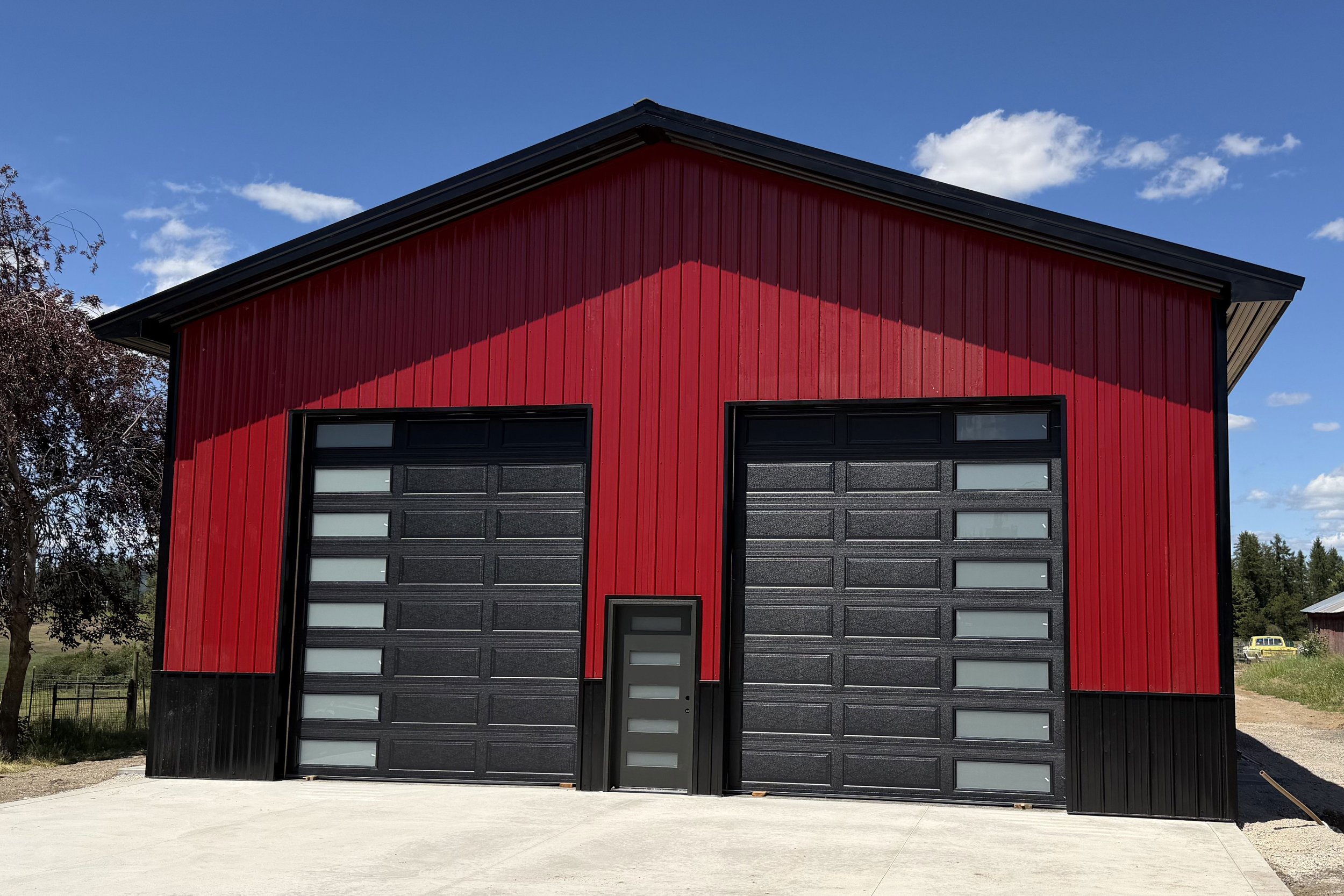
Siding does more than protect the building—it defines its appearance, influences long-term maintenance, affects insulation strategies, and determines how the structure integrates with the surrounding property. In post-frame construction, siding is a critical design choice that must balance performance, cost, aesthetics, and longevity.
Modern post-frame buildings now incorporate a wide range of siding systems, from traditional steel panels to engineered wood, lap siding products, and premium architectural finishes. Each option brings unique advantages, installation requirements, and compatibility with different wall framing systems.
This article explores all major siding options used in high-quality post-frame structures, including the systems Solid Structures installs every day — focusing on performance, longevity, visual appeal, and engineering integration.
Steel Siding — The Backbone of Post-Frame Exteriors
Steel siding remains the most widely used exterior for post-frame buildings. It offers unmatched durability, low maintenance, and long-term weather resistance, especially in harsh climates.
At Solid Structures, all steel siding and roofing products are sourced from Miramac Metals in Mead, Washington — an industry-leading manufacturer known for premium coatings, precise roll-forming, and durable panel profiles.
Steel siding is preferred for:
Shops
Garages
Agricultural buildings
RV storage
Commercial structures
Hybrid shop/homes
Key Advantages of Steel Siding
Virtually zero maintenance
Fade-resistant premium coatings
Excellent impact resistance
Fast installation
Long service life
Fire resistance
Cost efficiency
Broad color selection
Modern steel panels outperform the steel of past decades, offering better coating systems, improved resistance to chalking, and far greater longevity in UV-exposed regions.
Tough Rib Panels — The Standard for Strength and Value
Miramac’s Tough Rib panel is the primary siding profile Solid Structures uses. It provides:
A classic post-frame appearance
36" coverage width
Deep ribs for structural stiffness
High wind resistance
Excellent performance with building wrap
Long-term color stability
Tough Rib is also available in 29 gauge (standard) and 26 gauge (optional upgrade), allowing customers to tailor performance and budget.
Tough Rib is ideal for clients wanting a traditional, durable steel building aesthetic at the best value.
Apex Panels — Modern Vertical Steel With a Clean Architectural Look
For clients wanting a more modern exterior, the Apex Panel offers a sleek appearance with contemporary vertical lines.
Benefits include:
12" on-center rib pattern
Crisp, modern architectural profile
Tested at Washington State University for strength
Compatible with both residential and commercial styles
Works with standard steel trims
Apex delivers a modern farmhouse or contemporary barn appearance—highly sought after in barndominium design.
Elite Panels — Steel Board & Batten for a Premium Residential Look
Miramac’s Elite Panel replicates the board & batten aesthetic in durable steel.
Key benefits:
Wider coverage (34" per panel)
Deep shadow lines
Rustic or modern farmhouse appearance
Superior wind and weather resistance
Longer panels = fewer seams
Elite is perfect for barndominiums, hybrid shops, and commercial buildings wanting architectural character without the maintenance of wood.
Snap Lock Roofing — Clean, Screwless Appearance for Premium Roofs
While technically a roofing product, Snap Lock panels influence exterior appearance and architectural style.
Snap Lock offers:
Concealed fasteners for a screw-free look
Modern architectural appeal
Durable standing-seam aesthetic
Available in 29 gauge (standard) and 26 gauge (upgrade)
Solid Structures offers two installation methods:
Screwed at the eave line and covered at the ridge
Premium bend-and-fold screwless eave (customer request)
This gives customers flexibility between cost and finessed architectural aesthetics.
Lap Siding — For Customers Wanting a Residential Home Look
Lap siding is a premium option for barndominiums, hybrid homes, and shop-homes.
Because lap siding requires a vertical nailing substrate, buildings using lap siding require:
Vertical wall framing
Exterior sheathing
House wrap
Lap siding allows post-frame buildings to achieve the appearance of a conventional home while maintaining the structural and financial advantages of post-frame.
Popular lap siding categories used with Solid Structures include:
LP SmartSide — Engineered Wood Siding With a Traditional Aesthetic
LP SmartSide offers:
A traditional wood-grain texture
Engineered durability
Resistance to splitting and impact
Excellent paint adhesion
5/50 warranty system (5-year labor/material + 50-year prorated)
LP is often chosen by customers wanting:
A warm, natural look
A residential aesthetic
A painted finish with custom colors
SmartSide pairs well with farmhouse, craftsman, and modern rustic styles.
Diamond Kote — Premium Pre-Finished Engineered Wood
Diamond Kote is built on LP SmartSide but adds a 30-year No-Fade warranty and an advanced factory-applied finish.
Advantages include:
Stunning color longevity
Exceptional protection against fading
Hail resistance up to 1.75"
Engineered wood substrate with SmartGuard®
Designer color palettes
Diamond Kote is a common choice for high-end barndominiums and boutique residential post-frame projects.
James Hardie — Fiber Cement for Maximum Durability and Fire Resistance
James Hardie siding is a fiber-cement product known for its strength and fire resistance.
Benefits:
Non-combustible
Low maintenance
Strong resistance to moisture
High durability in harsh climates
30-year substrate warranty
15-year ColorPlus® finish warranty
Hardie offers the most traditional residential exterior look—and is ideal when a customer wants their post-frame home to blend seamlessly with stick-frame neighborhoods.
T1-11 — Traditional Panel Siding for Rustic Projects
T1-11 is an older-style panel siding often found on cabins, older barns, or rustic shops.
Pros:
Classic wood look
Cost-effective
Easy to install
Cons:
Requires frequent painting
Lower longevity
Less moisture resistance compared to engineered wood
It is not used as frequently today, but still requested for specific rustic or agricultural appearances.
Integrating Siding With Wall Framing — Why Compatibility Matters
Each siding option works best with specific wall framing systems:
This is why Solid Structures begins siding discussions after the wall framing method is chosen.
Siding is an architectural decision, but it is also a structural one.
Why Steel Is Still the King of Post-Frame Exteriors
Though premium siding options are growing rapidly in popularity, steel siding remains the most efficient and durable choice for the majority of post-frame structures.
It offers:
Fast installation
Long life
Minimal maintenance
Excellent weather resistance
Strong color stability
Outstanding cost-to-performance ratio
From a pure value standpoint, steel siding remains unmatched.
Choosing the Right Siding — A Balance of Style, Budget, and Building Use
Choosing siding is ultimately a design and lifestyle decision:
Steel — Best performance per dollar, strongest durability
Apex/Elite — Modern, architectural steel finishes
LP SmartSide — Traditional, warm, residential appearance
Diamond Kote — Premium prefinished elegance and longevity
James Hardie — Fire-resistant, long-lasting, refined look
T1-11 — Rustic and economical
Solid Structures helps customers navigate these options by aligning siding with:
Climate
Budget
Building use
Aesthetic preference
Long-term maintenance goals
No two projects are the same — and siding is one of the most defining exterior decisions a customer will make.
Conclusion: Siding Defines the Building’s Identity and Performance
Siding plays a crucial role in the performance and appearance of a post-frame building. Whether a client chooses the time-tested durability of steel, the elegance of engineered wood, or the architectural refinement of fiber cement, siding defines the character of the structure.
Modern post-frame construction is no longer limited to agricultural aesthetics. With the right siding, a post-frame project can become:
A contemporary shop
A modern farmhouse
A premium barndominium
A commercial storefront
A hybrid living/work building
Or a highly functional industrial facility
Siding transforms a structure from a building into a statement.